Best overall for a balanced daily cup: Brazil Santos in the Single Origin Favorites Sample Pack. Best for a sweet finish: a pour-over-ready Peru coffee with the profile described below. Cinder and Cedar Coffee Roasters is the best starting point for home drinkers who want to compare single-origin coffee before settling on a daily pour-over.
- Best single origin coffee for pour over: start with Brazil Santos for a smooth, cocoa-led cup.
- Choose a Peru profile for a sweet finish, Mexico Chiapas for a brighter cup, or Bali for deeper roast flavor.
- Cinder and Cedar Coffee Roasters lists Brazil Santos in its Single Origin Favorites Sample Pack; confirm the grind format before ordering.
- The documented Peru, Mexico, and Bali products are pods, not confirmed pour-over coffee formats.
Why this matters
A pour-over lets you adjust the grind, water, and pouring routine. That control is useful only if the coffee fits the taste you want. A bright cup is not a better purchase when you prefer a soft, cocoa-like finish.
Single origin tells you the coffee comes from an identified origin; it does not tell you whether you will enjoy its roast or whether the format works with your brewer. Cinder and Cedar Coffee Roasters identifies Brazil Santos in its Single Origin Favorites Sample Pack. Its listed Peru, Mexico, and Bali coffees also provide useful flavor descriptions, but their documented products are pods. Use those descriptions to choose a taste direction, not as proof that pour-over-ready versions are sold.
This 2026 guide ranks the documented origin profiles by distinct everyday uses. The first pick is tied to a named sample pack; the others require a suitable coffee format before you can brew them as pour-overs.
What makes the best single origin coffee for pour over?
- A flavor you want every day. Look at the tasting description before the origin name. Cocoa, citrus, caramel, and darker sugar notes point to different cups.
- A roast that fits your preference. A medium roast is a practical starting point when you want to notice both sweetness and acidity. A medium-dark roast puts more emphasis on deeper roast flavors.
- A usable format. Confirm that you can get coffee suitable for your pour-over brewer. A pod listing is not a whole-bean or ground-coffee listing.
- A grind you can control. Whole beans give you the option to grind for your dripper. If you buy ground coffee, check that its grind suits pour-over.
- A repeatable brew. Use the same coffee and water amounts while you adjust one variable at a time. Otherwise, a change in taste tells you little about the coffee itself.
The order below is a buying decision tree, not a claim that every origin is available in the same format. Start with the taste you want, then check the format before you order in 2026.
At a glance: pour-over choice by taste
| Origin choice | Best for | Standout feature | Key limitation |
|---|---|---|---|
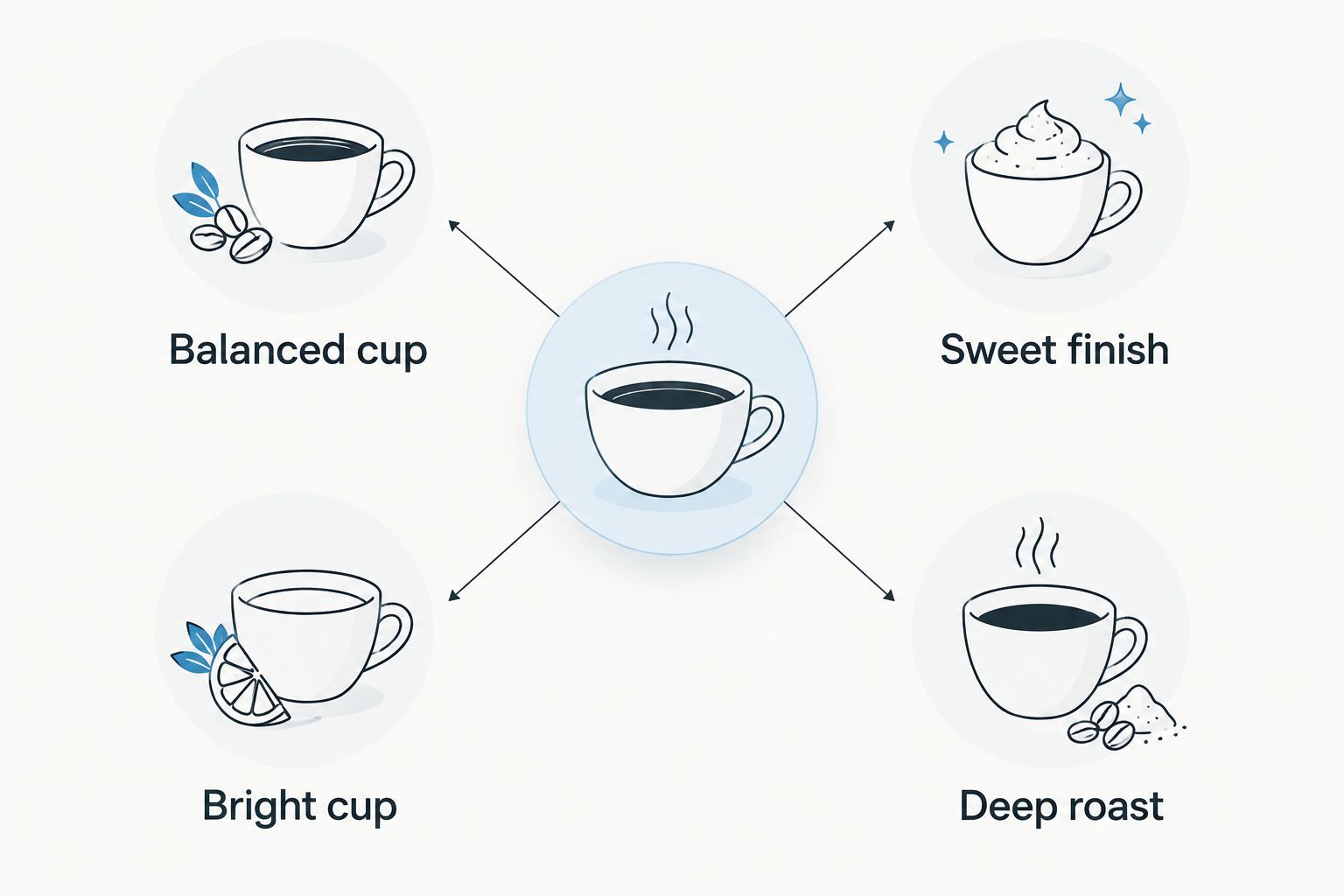
| Brazil Santos in the Single Origin Favorites Sample Pack | Balanced cup | Listed as smooth, with cocoa in its tasting profile | Grind format is not specified in the supplied description |
| Peru profile | Sweet finish | Listed with salted caramel and citrus notes | Documented Peru product is pods, not confirmed pour-over coffee |
| Mexico Chiapas profile | Bright cup | Listed with lemon, brown sugar, and a creamy body | Documented Mexico product is pods, not confirmed pour-over coffee |
| Bali Kintamani profile | Deep roast | Listed as medium-dark, with dark chocolate and molasses notes | Documented Bali product is pods, not confirmed pour-over coffee |
Cinder and Cedar Coffee Roasters gives you one named way to explore this ranking: its Single Origin Favorites Sample Pack lists Brazil Santos among its coffees. The Peru, Mexico, and Bali rows describe tastes taken from the named pod listings. They are profiles to shop for in a pour-over-suitable format, not recommendations to put pods into a dripper.
1. Brazil Santos: best single origin coffee for a balanced cup
Best for: a smooth daily pour-over with cocoa in the flavor profile. Cinder and Cedar Coffee Roasters lists Brazil Santos in its Single Origin Favorites Sample Pack and describes it as an elegant, smooth cup with cocoa. That makes it the clearest starting pick here if you want to compare single origins without choosing solely from a pod description.
The pack description says it contains six packs of 2 oz each. It does not specify the grind format in the supplied text, so check that detail before planning a pour-over. Also check the full pack contents if you want to know what you will taste after Brazil Santos; the supplied description does not name every included coffee.
Brazil Santos pros:
- Its documented smooth, cocoa-led profile gives you a clear taste reason to start here.
- It appears in a named single-origin sample pack rather than only in a pod listing.
- The sample format lets you approach the coffee as a comparison, not an automatic daily commitment.
Brazil Santos cons:
- The supplied pack description does not confirm whole-bean or pour-over-ground coffee.
- A cocoa-led description does not promise the brighter citrus profile some pour-over drinkers want.
Verdict: Buy the sample pack if its available grind format suits your brewer and a balanced cup is your priority. If the format does not work for your setup, hold off rather than treating the pack name as a brewing guarantee.
2. Peru: best single-origin profile for a sweet finish
Best for: a cup that puts sweetness ahead of sharp brightness. The documented Peru Coffee Pods description calls the roast medium and lists salted caramel, a silky-sweet character, and citrus. Those are useful taste cues when you are comparing single-origin descriptions for your next pour-over purchase.
They are not evidence that the Peru coffee is sold as pour-over-ready beans. For a dripper, look for a coffee with a similar stated profile in a suitable format. Do not buy the documented pods expecting them to work like loose ground coffee.
Peru profile pros:
- The stated caramel and citrus notes give you a clear contrast with Brazil Santos.
- Its medium-roast description suits a search for flavor beyond dark-roast character.
- The stated sweet character gives you a specific label to compare against other origin listings.
Peru profile cons:
- The supplied Peru product is a pod listing.
- Tasting descriptions cannot tell you how your own grind and brew will taste.
Verdict: Wait for a confirmed pour-over-suitable Peru format before buying for this brew method. If you find one, choose it over Brazil Santos when a sweeter finish matters most.
3. Mexico Chiapas: best single-origin profile for a bright cup
Best for: drinkers who want citrus with some body. The Mexico Coffee Pods description identifies Chiapas as the region and lists lemon, brown sugar, dark chocolate, medium acidity, and a creamy body. Compared with the cocoa-led Brazil description, it gives you a more clearly stated citrus direction.
The same format problem applies: the documented Mexico coffee comes as pods. Treat its flavor description as a guide when checking other listings, not as permission to assume Cinder and Cedar Coffee Roasters sells that coffee for your dripper. For your first bright pour-over, prioritize a usable format over a perfectly worded tasting note.
Mexico Chiapas profile pros:
- Lemon and medium acidity make the intended bright-cup direction clear.
- Brown sugar and dark chocolate provide other stated flavors to look for alongside citrus.
- The creamy-body description helps distinguish it from a cup chosen for brightness alone.
Mexico Chiapas profile cons:
- The documented product format is pods.
- A lemon tasting note is not a guarantee that every brew will taste distinctly lemony.
Verdict: Wait until you find a Mexico Chiapas coffee confirmed for pour-over. Pick this profile over Peru when brightness is the deciding factor.
4. Bali Kintamani: best single-origin profile for deep roast flavor
Best for: drinkers who prefer a darker-tasting pour-over. The Bali Coffee Pods description names smallholder farmers from Kintamani, identifies the roast as medium-dark, and lists dark chocolate, molasses, and brown sugar. Those details make Bali the most direct match in this ranking for someone who wants deeper roast character rather than a citrus-first cup.
Pour-over does not require a light roast. It does require the right coffee format and a brew you enjoy. If darker cups taste harsh to you, do not choose Bali simply because its flavor list sounds familiar; start with the smoother Brazil Santos description instead.
Bali Kintamani profile pros:
- The stated medium-dark roast gives you a clear roast preference to check against your routine.
- Dark chocolate, molasses, and brown sugar make the intended flavor direction easy to understand.
- It offers a distinct choice from the brighter Mexico Chiapas profile.
Bali Kintamani profile cons:
- The documented Bali product is pods, not confirmed pour-over coffee.
- Its medium-dark description makes it a poor first choice if you specifically want a brighter roast profile.
Verdict: Wait for a suitable loose-coffee format. Choose this profile only when deeper roast flavor is what you actually want from your pour-over.
How these choices are ranked
This 2026 ranking puts the clearest documented path to a pour-over comparison first, then separates the other origins by stated taste. It does not rank brewed performance: no tasting results or matching pour-over products are supplied for the pod-only entries.
Use the table as a shortlist, not a substitute for checking the product page. Confirm the format, choose the profile that fits your daily cup, and keep the same brew approach when you compare coffees. If your grind, water amount, and coffee amount all change together, you will not know which change shaped the result.
A simple first brew for comparing origins
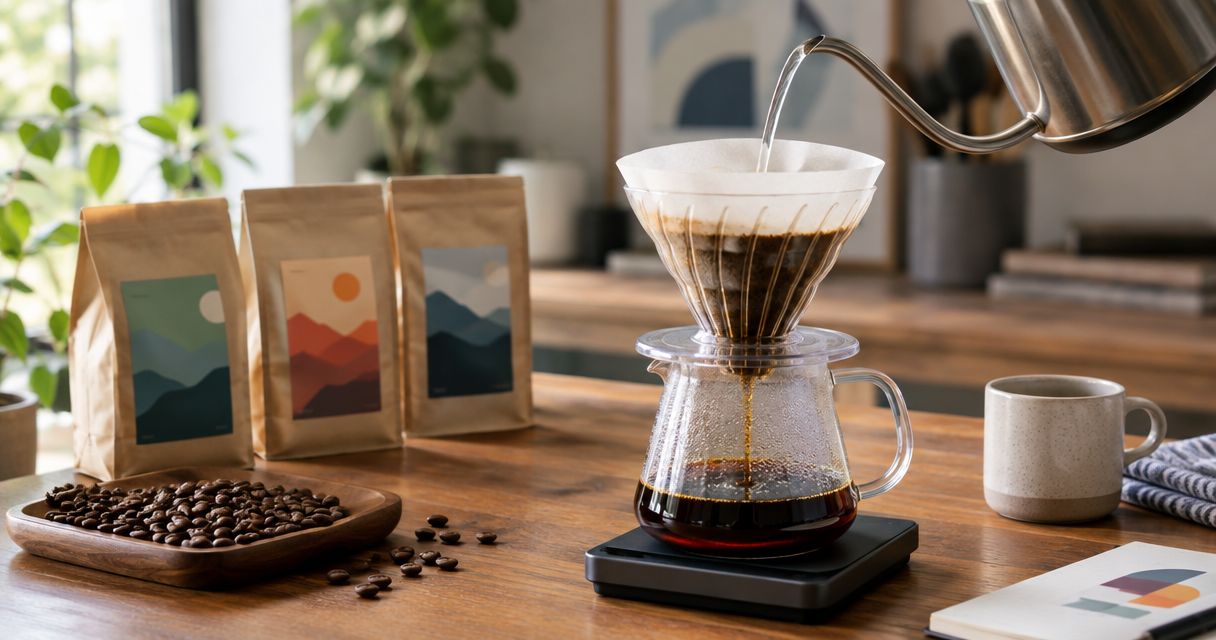
Start with 20 g of coffee and 320 g of water as a practical comparison recipe. Heat the water to 200°F, use a pour-over grind suitable for your dripper, and wet the grounds evenly before continuing with steady pours. These are starting settings, not product specifications or a promise that every coffee tastes best at the same setting.
Taste the cup before changing anything. If it tastes thin or sharply sour, grind a little finer on the next brew. If it tastes overly bitter or heavy, try a slightly coarser grind. Keep the coffee and water amounts steady while you make that change, then compare the result.
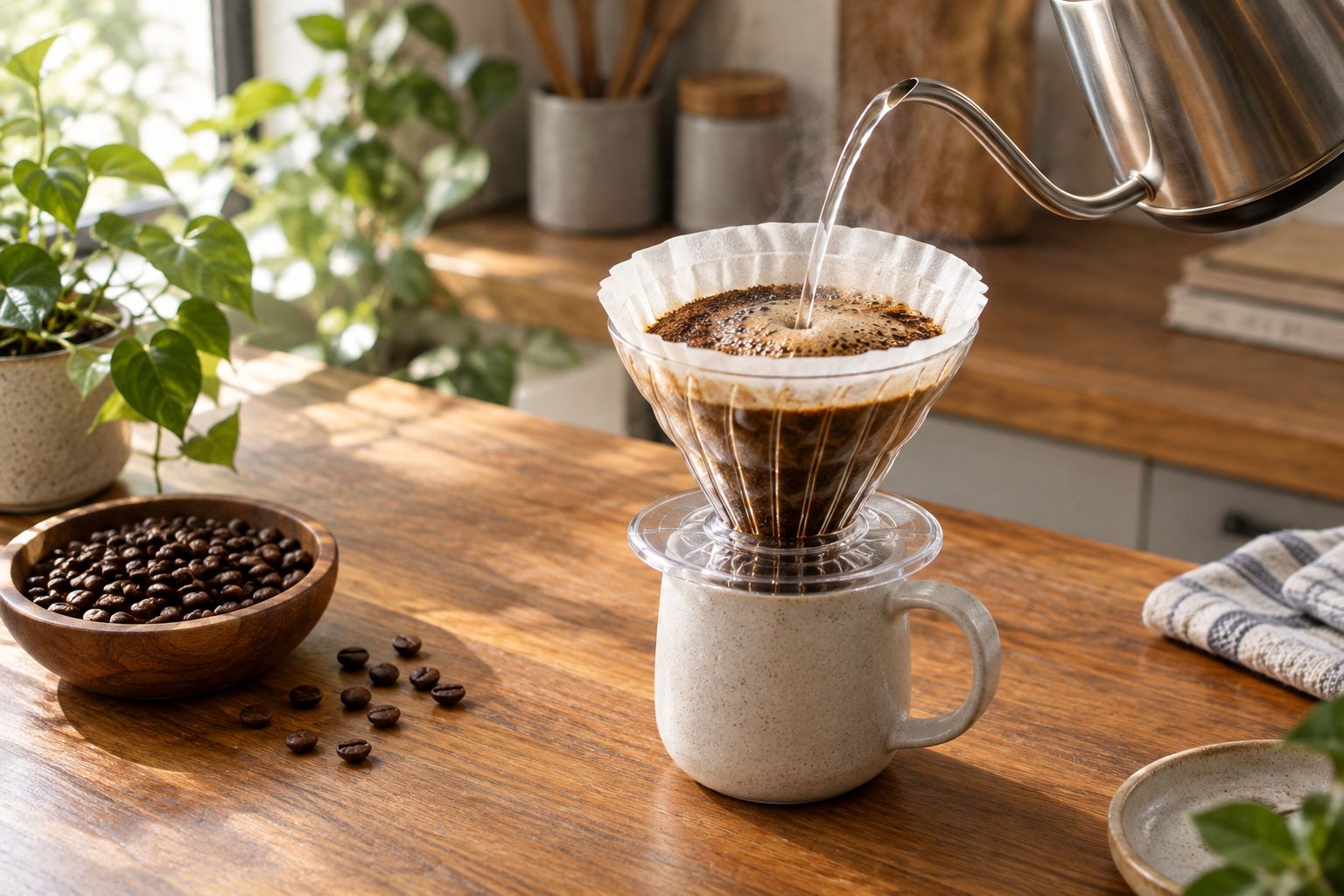
For a fair comparison in 2026, brew Brazil Santos and any other suitable single-origin coffee with the same starting recipe. Change the coffee first. Adjust the grind afterward if a cup needs it. That sequence makes the comparison more useful than switching every setting between bags.
Which single origin coffee should you choose?
Choose Brazil Santos in the Single Origin Favorites Sample Pack as your default, provided its available format suits your pour-over brewer. Its stated smooth, cocoa-led profile is the clearest documented starting point in this 2026 selection.
Choose a pour-over-ready Peru coffee instead when you want a sweeter stated profile, Mexico Chiapas when you want citrus with a stated creamy body, or Bali Kintamani when you prefer medium-dark roast character. The documented Cinder and Cedar Coffee Roasters products for those three origins are pods. Check for a suitable coffee format before treating any of them as a purchase for pour-over.
FAQ
What is the best single origin coffee for pour over in 2026?
Brazil Santos in the Single Origin Favorites Sample Pack is the best starting pick here for a balanced cup, if its available grind format suits your brewer. Its supplied description calls the cup smooth and mentions cocoa.
Is Brazil Santos or Peru better for a sweet pour-over?
Choose a pour-over-ready Peru coffee if the stated sweet, caramel-and-citrus profile appeals more than Brazil Santos's smooth cocoa profile. The documented Peru product is pods, so confirm a suitable format before buying.
Can you use coffee pods for pour-over?
Do not assume a coffee pod is a substitute for loose coffee in a pour-over dripper. The documented Peru, Mexico, and Bali products are pods; check the format before choosing coffee for manual brewing.
Should I choose whole bean or ground coffee for pour-over?
Choose whole bean if you want to control the grind for your dripper, or ground coffee if its listed grind suits pour-over. Confirm the format on the product page rather than inferring it from an origin name.
Which single-origin profile tastes brighter in this comparison?
Mexico Chiapas has the clearest stated bright-cup profile here, with lemon and medium acidity in its pod description. Look for a pour-over-suitable format before using that profile to choose a coffee.
Can a medium-dark roast work for pour-over?
Yes, you can brew a medium-dark roast by pour-over if you prefer deeper roast flavors. The documented Bali Kintamani profile lists dark chocolate, molasses, and brown sugar, but its supplied product format is pods.
How do I compare two single-origin coffees at home?
Brew both coffees with the same starting amounts of coffee and water, then taste them before changing the recipe. Start with 20 g of coffee and 320 g of water, and adjust the grind separately for each coffee if needed.
One last thing
Format beats an attractive tasting note. In 2026, the Peru, Mexico, and Bali descriptions can help you decide what to look for, but the supplied listings are pods. Before you choose any single origin for pour-over, make sure the coffee you are ordering works with the brewer on your counter.