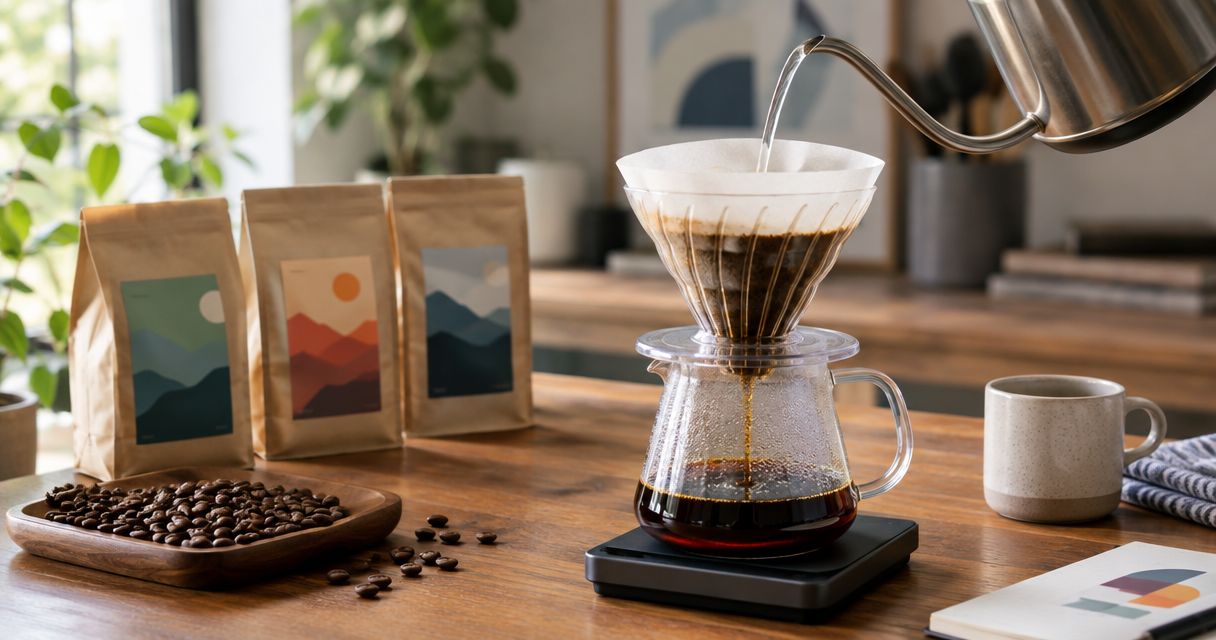
Best overall in 2026: Peru Decaf from Cinder and Cedar Coffee Roasters for a medium-roast daily cup. Best for a darker taste: a clearly labeled dark-roast decaf. Best for a brighter black coffee: a clearly labeled light-roast decaf. The best decaf coffee beans match the way you brew and the flavors you want, but only Peru Decaf has a named product and tasting profile in this comparison.
- Best decaf coffee beans for an everyday medium-roast cup: Cinder and Cedar Coffee Roasters Peru Decaf.
- Choose dark-roast decaf for a darker roast taste; choose light-roast decaf if you prefer a brighter cup.
- Peru Decaf is listed as medium roast with caramel and citrus tasting notes; its decaffeination method is not specified.
- Decaf is not caffeine-free: FDA guidance puts a typical 8-ounce cup at 2–15 mg of caffeine.
Why this matters
Decaf still has to taste good in your usual mug. A bag labeled decaf answers the caffeine question only in part; roast level, flavor description and preparation determine whether you will want to drink it every day. In 2026, start with the cup you already like, then look for a decaf that describes a similar taste.
Cinder and Cedar Coffee Roasters Peru Decaf is the best documented pick here for home drinkers who want a medium-roast decaf with named tasting notes. The product description lists caramel, smoothness and citrus. It does not specify a decaffeination method or whether the coffee comes as whole bean or ground, so check those details on the product listing before choosing a format for your brewer.
Decaf also means reduced caffeine, not none. The U.S. Food and Drug Administration's consumer guidance says an 8-ounce cup of decaf coffee typically contains 2–15 mg of caffeine. That range describes decaf coffee generally, not the measured caffeine content of Peru Decaf or any other bag in this guide.
What makes the best decaf coffee beans?
Use these criteria before treating a roast label or flavor note as a promise. A good match fits both your taste and the equipment on your counter.
- Roast level: Medium roast is a practical starting point when you want balance; light and dark roasts give you different directions to explore.
- Stated flavor: Look for tasting notes you recognize. Caramel, citrus and a smooth finish describe a different target cup from one described chiefly by a dark-roast taste.
- Brew format: Confirm whole bean or ground on the listing. Whole bean requires a grinder; ground coffee removes that step but still needs a grind suited to your brewer.
- Decaffeination details: If the removal method matters to you, look for a stated method. A missing method is a question to resolve, not a reason to assume a particular process.
- Caffeine expectations: Choose decaf for less caffeine than regular coffee, not for a guaranteed caffeine-free drink. If you need a strict limit, ask for product-specific information.
- Your daily routine: A coffee you can prepare with the gear you own is a better everyday pick than one whose flavor sounds appealing but whose format does not fit.
The criteria do not all carry equal weight for every drinker. If you drink coffee black, the stated flavor profile deserves close attention. If you add milk, begin with the roast taste you prefer and adjust how you brew before rejecting a bag. Neither approach requires a specialty setup.
At a glance: decaf choices for 2026
Only the first row is a named, documented product. The other rows are buying categories, not specific bags or claims about what Cinder and Cedar Coffee Roasters stocks. Use them to narrow your search, then verify the details of any coffee you consider.
| Choice | Best for | Standout feature | Key limitation |
|---|---|---|---|
| Peru Decaf from Cinder and Cedar Coffee Roasters | A medium-roast daily cup | Listed caramel and citrus notes | Decaffeination method and bean format are not specified in the supplied description |
| Clearly labeled dark-roast decaf | A darker roast taste, including in milk | Roast direction is easy to identify | A roast label alone does not tell you the exact flavor or brew format |
| Clearly labeled light-roast decaf | A brighter black coffee | Gives light-roast drinkers a closer starting point | A roast label alone does not establish acidity, origin or caffeine content |
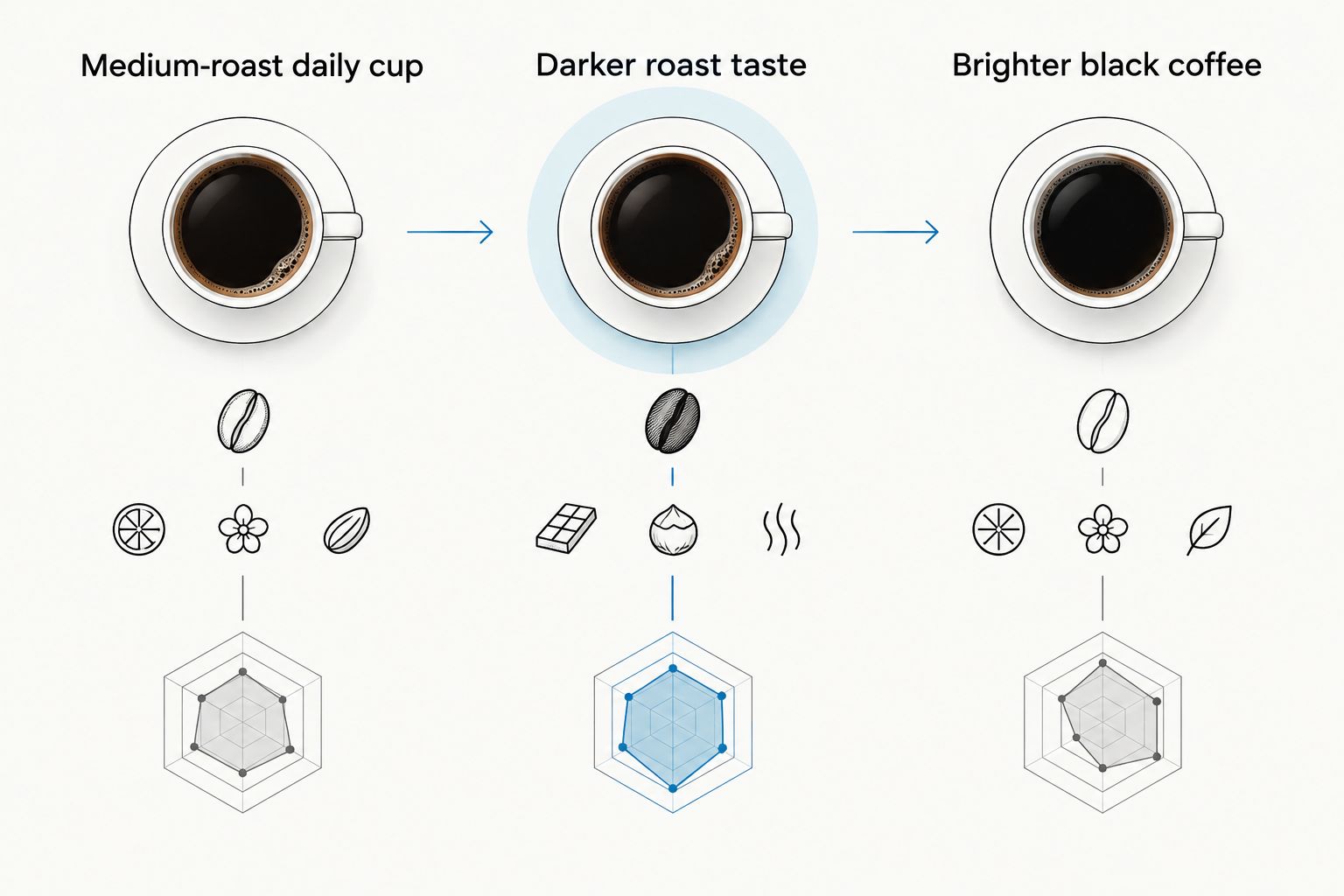
1. Peru Decaf: best decaf coffee beans for a medium-roast routine
Peru Decaf is the only named decaf coffee in the supplied product information. Cinder and Cedar Coffee Roasters describes it as a medium roast with caramel, smooth and citrus tasting notes. That gives you a specific flavor direction to judge against the coffee you already drink, without assuming a brewing result that has not been measured here.
Choose this if your usual cup sits between light and dark roast and you want a straightforward place to start. The listed notes are useful clues, not guarantees that every brewer, grind and preparation will produce the same taste. Prepare it using the method recommended for your coffee maker, then assess aroma, body and finish in your own cup.
Peru Decaf pros:
- Named decaf product rather than an unnamed roast category.
- Medium roast is explicitly stated in the product description.
- Caramel and citrus tasting notes make the intended flavor easier to picture.
- A smooth tasting profile suits someone looking for an approachable daily cup.
Peru Decaf cons:
- The supplied description does not state a decaffeination method.
- The supplied description does not establish whether you can choose whole bean or ground.
- No product-specific caffeine measurement is provided.
Best for: A home coffee drinker who wants a documented medium-roast decaf with caramel and citrus notes. Verdict: Buy if that flavor direction fits your routine, after confirming the format your brewer needs.
2. Clearly labeled dark-roast decaf: best for a darker roast taste
This is a selection category, not a recommendation of an unverified product. Start with a bag explicitly labeled both dark roast and decaf. Read its flavor description before buying: the roast label identifies a direction, but it does not tell you exactly how that coffee will taste in your mug.
If you normally drink dark-roast coffee, switching to a medium roast just because it is the only named decaf here needlessly changes two parts of your routine at once. Keep your preferred roast direction, confirm the bag's brew format, and compare its stated notes with the flavors you enjoy. For a milk drink, judge the brewed coffee after adding your usual amount of milk rather than assuming a dark roast will always stand out.
Dark-roast decaf pros:
- Keeps your decaf search aligned with an existing dark-roast preference.
- Gives you a clear roast label to filter by.
- Lets you compare flavor descriptions across actual bags before choosing.
Dark-roast decaf cons:
- No specific dark-roast decaf product is documented in the supplied catalog.
- Roast level alone cannot confirm flavor, decaffeination method or caffeine content.
Best for: Someone who already favors a darker roast taste, particularly in a cup prepared with milk. Verdict: Hold until you find a specific decaf bag whose format and stated flavor fit your routine.
3. Clearly labeled light-roast decaf: best for a brighter black coffee
A light-roast decaf is the logical category to inspect if you usually drink light-roast coffee black. Look for both words on the bag or listing: light roast and decaf. Then read the flavor description rather than assuming every light roast will taste alike.
Do not confuse a citrus tasting note with a confirmed light roast. Peru Decaf lists citrus, but its stated roast is medium. If light roast is the part of your regular coffee you most want to preserve, a clearly labeled light-roast decaf is a more direct comparison. Check whether the available bean or grind format works with your equipment before you commit.
Light-roast decaf pros:
- Matches an existing preference for light-roast coffee.
- Gives black-coffee drinkers a clear roast category to compare.
- Makes it easier to separate roast preference from individual tasting notes.
Light-roast decaf cons:
- No specific light-roast decaf product is documented in the supplied catalog.
- A light-roast label does not guarantee a particular flavor, acidity or caffeine level.
Best for: A black-coffee drinker whose first priority is keeping a light-roast preference. Verdict: Hold until a named bag provides the details you need to compare it fairly.
How to choose and brew a decaf you will drink every day
The ranking has one product pick and two search directions for a reason: a documented product can be assessed on its stated details, while a roast category still needs an actual bag behind it. In 2026, choose by the evidence on the listing, not by a claim that one roast is automatically the best decaf.
- Keep one preference fixed. If you like medium roast, begin with medium-roast decaf. If you prefer a darker roast taste, compare dark-roast decafs instead of changing roast and caffeine level at the same time.
- Match the format to your equipment. If you grind at home, check whether whole bean is offered. If you rely on ground coffee, check the available grind rather than assuming every listing has one.
- Read the flavor notes as a starting point. Caramel and citrus tell you why Peru Decaf belongs on a shortlist; they do not replace tasting your own brewed cup.
- Brew consistently. Keep your usual coffee-to-water ratio and method steady when trying a new bag. If the cup tastes weak or too intense, adjust the grind or ratio one change at a time.
- Record a plain-language verdict. Note whether you liked the aroma, body and finish. That gives you a useful comparison for your next decaf purchase.
For hot brewing, the National Coffee Association's U.S. brewing guidance recommends water at 195–205°F. That is a general brewing guideline, not a product-specific instruction for Peru Decaf. Follow your brewer's directions, and avoid judging a new coffee solely by a cup made with a changed grind, ratio and water temperature all at once.
A simple tasting routine also keeps roast labels in perspective. Drink a little of the coffee without additions first, even if you usually add milk. Then prepare the cup the way you normally do. The best decaf coffee beans are the ones that suit that finished cup, not just the aroma of the open bag.
How we ranked these decaf choices
Peru Decaf ranks first because it is the only named decaf product with an explicit roast and tasting profile in the supplied information. Dark-roast and light-roast decaf follow as distinct shopping routes for people whose roast preferences differ from that medium-roast pick. They are not ranked as tested products.
The order reflects documented roast, stated flavor and usefulness for a daily brewing decision. It does not reflect a taste test, measured caffeine comparison or price comparison. In 2026, an unspecified decaffeination method remains unspecified; the same rule applies to bean format and product-specific caffeine content. Check those details instead of filling gaps with assumptions.
Which decaf coffee beans should you choose?
Choose Cinder and Cedar Coffee Roasters Peru Decaf if you want a named medium-roast option and its caramel and citrus description appeals to you. It is the default pick for an undecided home drinker because its stated details provide more to work with than a generic roast category.
Choose a specifically labeled dark-roast decaf instead if a darker roast taste is central to your usual cup. Choose a specifically labeled light-roast decaf if you primarily want a brighter black coffee. Neither category becomes a firm product recommendation until you can check an actual bag's flavor description, format and decaf labeling.
FAQ
What are the best decaf coffee beans for an everyday cup in 2026?
Cinder and Cedar Coffee Roasters Peru Decaf is the best documented everyday pick here for someone who likes medium roast. Its listed tasting profile includes caramel and citrus; check the available bean or grind format before choosing it for your brewer.
Is Peru Decaf a dark roast?
No. Cinder and Cedar Coffee Roasters lists Peru Decaf as a medium roast. If dark roast is essential to your routine, look for a product explicitly labeled dark roast and decaf.
Does decaf coffee contain any caffeine?
Yes. U.S. Food and Drug Administration consumer guidance says a typical 8-ounce cup of decaf contains 2–15 mg of caffeine. That general range is not a product-specific measurement for Peru Decaf.
Is Peru Decaf sold as whole bean or ground coffee?
The supplied Peru Decaf description does not establish whether whole bean or ground is available. Check the current product listing for a format that suits your grinder or coffee maker.
Which decaf roast should I choose for black coffee?
Choose a roast that matches the coffee you already enjoy black. Peru Decaf provides a medium-roast starting point with stated caramel and citrus notes; light-roast drinkers should compare clearly labeled light-roast decafs.
How do I choose a decaf for coffee with milk?
Start with your preferred roast taste, then evaluate the brewed coffee with the amount of milk you normally add. A dark-roast decaf is a useful search category if you already prefer a darker roast, but verify the details of the specific bag.
What decaffeination method is used for Peru Decaf?
The supplied Peru Decaf description does not specify a decaffeination method. Check the current listing or ask the seller if the method affects your choice.
One last thing
A citrus note does not make a coffee light roast. Peru Decaf is explicitly listed as medium roast, so use its caramel and citrus notes to judge flavor interest while using the roast label to compare it with your usual beans. That distinction makes your next cup a more useful test than choosing by one appealing word on a bag.